
Published pillar
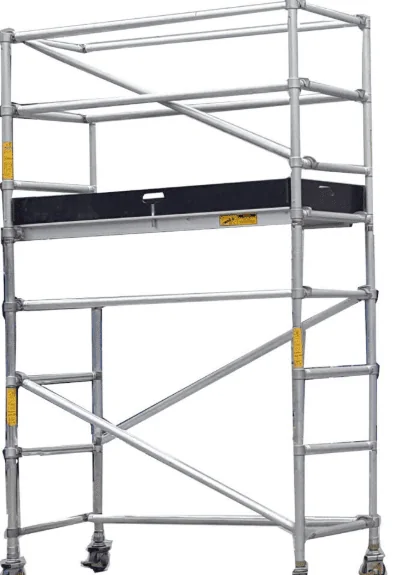
Scaffold Selection
Compare scaffold formats, working dimensions, project conditions, and quote inputs before requesting a configuration.
Explore Scaffold Selection →Technical resources and insights
Move from project questions to verified product families, exact component records, source documents, specialty-access pathways, shipping requirements, and complete quote preparation.
Published resource pillars
Each pillar contains original guidance, direct catalog pathways, relevant downloads, and a commercial next step. Unfinished categories remain unpublished until they can meet the same standard.
Published pillar
Compare scaffold formats, working dimensions, project conditions, and quote inputs before requesting a configuration.
Explore Scaffold Selection →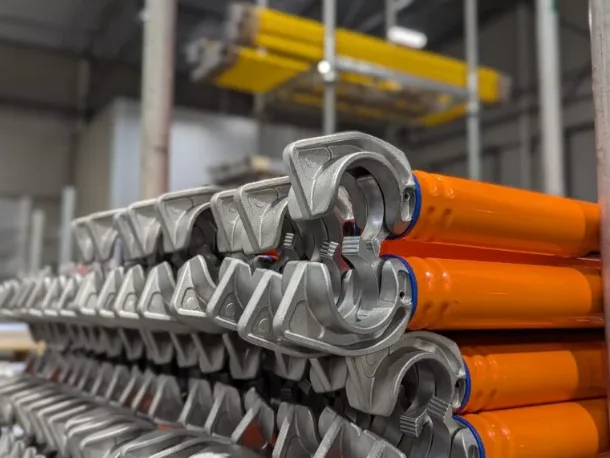
Published pillar
Identify replacement components with part numbers, dimensions, connection details, photographs, and system context.
Explore Scaffold Parts and Components →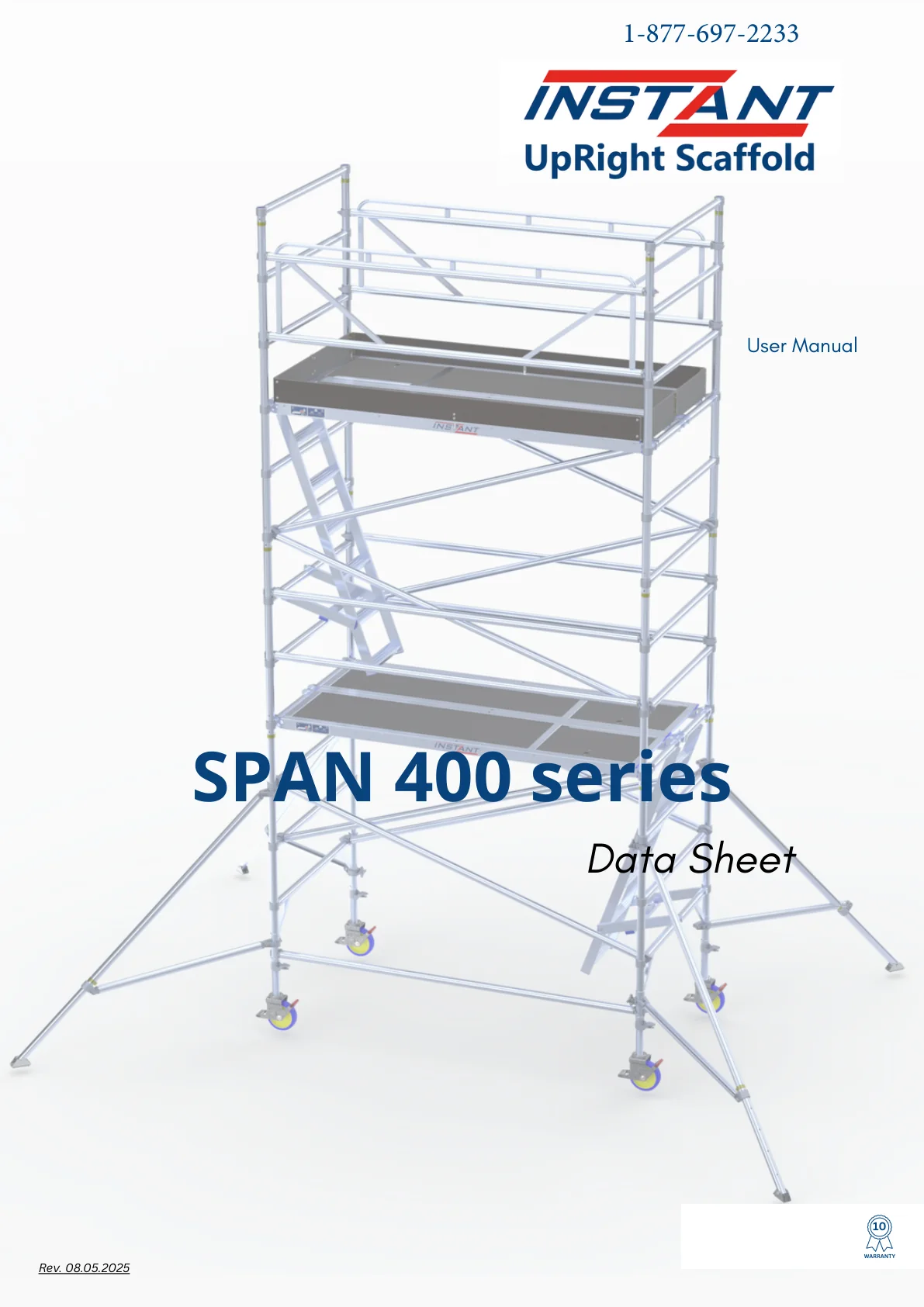
Published pillar
Use verified SPAN 400 manuals, product records, frame pathways, platform references, and exact component pages.
Explore SPAN 400 Resources →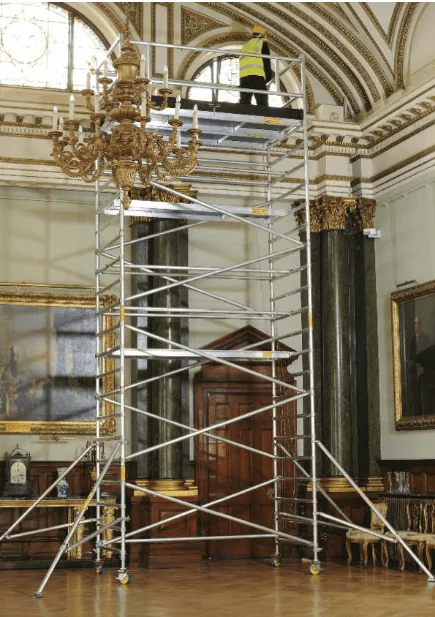
Published pillar
Prepare parcel, pallet, LTL, larger-system, receiving, and international freight information for a written quote.
Explore Scaffold Shipping and Logistics →Launch library
Scaffold Selection
Measure the work face, access route, usable floor area, and required platform positions before comparing published platform records.
→Scaffold Selection
Compare transport, setup area, mobility, component relationships, and documented product families before selecting a base format.
→Scaffold Selection
A complete inquiry identifies the task, dimensions, environment, product family, quantity, timing, and delivery destination.
→Scaffold Parts and Components
Use complete markings, system context, dimensions, connection geometry, and photographs to prepare a replacement-part inquiry.
→Scaffold Parts and Components
Small differences in dimensions, geometry, suffixes, and system relationships can prevent safe or intended interchange.
→Scaffold Parts and Components
Identify brace function and exact product records without treating equal length or similar ends as proof of substitution.
→SPAN 400 Resources
Navigate the SPAN 400 product family, components, source manual, and quote pathways without generalizing model-specific data.
→SPAN 400 Resources
Distinguish base, extension, ladder, guardrail, bracing, and V-X frame pathways by exact source-supported identity.
→SPAN 400 Resources
Use document model boundaries, page references, drawings, and exact codes when researching a SPAN 400 component.
→Scaffold Shipping and Logistics
Shipment format depends on component size, quantity, packaging, destination, carrier service, and receiving access.
→Scaffold Shipping and Logistics
Compare parcel and less-than-truckload planning by package size, quantity, handling, destination, and receiving needs.
→Scaffold Shipping and Logistics
Prepare destination, product, freight, import, documentation, duties, receiving, and local-delivery details for review.
→Scaffold Selection
Single-width systems prioritize a narrower footprint; double-width systems provide a broader platform format. Verify dimensions, task space, access, and configuration.
→Scaffold Selection
Choose a mobile tower from the task, platform position, floor, movement route, access, complete configuration, and verified component relationships.
→Scaffold Selection
Separate platform height, working height, and overall height, then verify stability, access, environment, configuration, and manufacturer limits.
→Scaffold Selection
Platform width affects working space and footprint but does not independently determine capacity, suitability, access, or stability.
→Scaffold Selection
Select casters by exact part identity, scaffold family, attachment, verified dimensions, floor and movement conditions, and complete-system compatibility.
→Scaffold Selection
An outrigger is a configuration component, not a universal height remedy. Verify the exact system, part, orientation, instructions, floor, and stability plan.
→Scaffold Selection
Use exact brace identity, length, connection, orientation, system context, and current instructions; appearance does not establish interchangeability.
→Scaffold Selection
Frames, braces, platforms, bases, casters, access, guarding, and stabilization work as a complete system.
→Scaffold Selection
Identify a part using exact markings, dimensions, connection geometry, orientation, source system, photographs, and documentation.
→Scaffold Selection
Material alone does not select a scaffold. Compare verified system data, task, environment, handling, configuration, maintenance, and project requirements.
→Scaffold Selection
Indoor and outdoor work introduce different floor, weather, wind, electrical, traffic, access, contamination, and movement conditions.
→Scaffold Selection
Tight-space access requires verified clearances, entry dimensions, platform position, access, egress, obstructions, movement, and surrounding hazards.
→Scaffold Selection
Facility maintenance selection should account for repeated tasks, production interfaces, floor protection, doors, utilities, storage, and movement routes.
→Scaffold Selection
Warehouse planning includes aisles, racks, doors, docks, forklifts, pedestrians, floor condition, overhead systems, inventory, and work-zone control.
→Scaffold Selection
Aircraft access begins with task positions, no-contact areas, hangar conditions, tools, mobility, aircraft protection, and project-specific review.
→Scaffold Selection
Use a verified standard system when it fits; use a controlled custom-access process when geometry, clearances, interfaces, or operations require it.
→Scaffold Selection
Understand the load path, adjustment concept, extension-sensitive capacity, bracing questions, and documentation needed before selecting a post shore.
→Scaffold Selection
Plan modular or ring-connection scaffold inquiries around geometry, component identity, access, work levels, documentation, and compatibility.
→Scaffold Selection
Use a verification-first checklist for temporary shoring scope, design responsibility, equipment identity, inspections, changes, and removal planning.
→Scaffold Selection
Plan safer, more efficient bus-maintenance access around the vehicle envelope, roof equipment, work zones, facility layout, electrical controls, and fall exposure.
→Established long-form resources
Verified technical downloads
Editorial governance
Workflow states are Draft, Technical Review, Approved, Published, Needs Update, and Archived. A published page requires technical accuracy, product and part-number validation, image-rights review, unique metadata, schema and internal-link review, contrast and mobile review, and final approval.
No technical reviewer is named unless that person actually reviewed the content. Unsupported compatibility, specifications, capacities, certifications, pricing, availability, lead times, and compliance claims remain unpublished.
Need product-specific help?
Share the exact product, part number, application, measurements, quantity, timing, and destination.