
Short answer
System scaffolding uses repeatable standards, ledgers, diagonals, platforms, access, and protection components connected at regular nodes. The connection concept supports flexible layouts, but it does not make different brands or component families interchangeable.
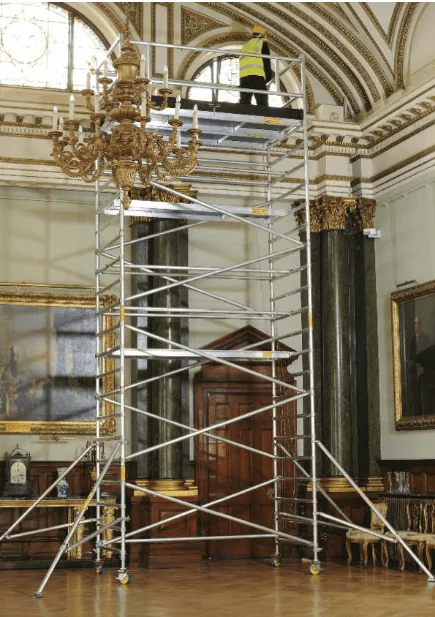
Understand the system before choosing a package
A typical modular arrangement combines vertical standards, horizontal members, diagonal bracing, platforms, base components, access, and edge-protection components. The exact product family controls connection geometry, permitted configurations, dimensions, and instructions.
Ring-style connection points are a general system concept, not proof of compatibility with Layher Allround or any other brand. Similar-looking rosettes, wedges, ledgers, or standards must not be mixed without written confirmation covering the exact components.
Describe the work face and constraints
Useful inquiry inputs include work-face length, required elevations, corners and returns, offsets, penetrations, ground conditions, access routes, loading needs, public or facility interfaces, and project schedule. These details help distinguish a simple straight run from a layout needing deeper review.
Information checklist
- Existing system manufacturer and model
- Work-face length, height, corners, and offsets
- Required platform and access locations
- Base conditions and obstructions
- Material-handling and enclosure needs
- Destination, schedule, and purchase or rental interest
Keep compatibility and design claims evidence-based
Use current manufacturer instructions and the applicable project design. Product availability, component compatibility, tie patterns, loading, weather controls, and suitability must be confirmed for the proposed arrangement.
Frequently asked questions
Frequently asked questions
Is all ring-style system scaffolding interchangeable?
No. A similar connection concept or appearance does not establish compatibility. Verify the exact manufacturer, family, components, dimensions, and written documentation.
What is the best starting point for a system-scaffold quote?
Provide work-face geometry, elevations, access points, obstructions, base conditions, intended work, existing system information, location, and schedule.
Does this guide provide an assembly design?
No. It supports research and quote preparation and does not replace manufacturer instructions or required project-specific design and review.