Short answer
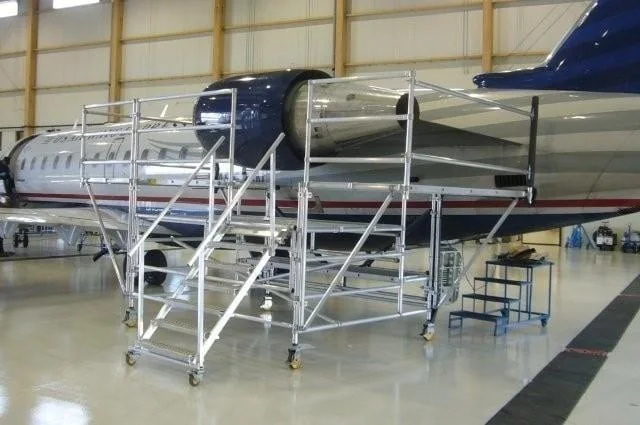
A bus access platform should be planned around the exact vehicle and task. Electric and zero-emission fleets can add roof-equipment, clearance, isolation, and facility-procedure questions; a generic two-bay or three-bay concept is not automatically OSHA compliant.
Start with the vehicle and maintenance task
Record the bus make and model, overall dimensions, mirrors and doors, roof profile, roof-mounted equipment, service points, and required side, end, or roof work zones. A fleet may contain multiple envelopes, so confirm whether one access concept must serve several vehicle types.
The task matters as much as vehicle size. Inspection, cleaning, component removal, overhead lifting, tools, materials, and simultaneous work can create different access and clearance needs.
Integrate electric-vehicle controls without overclaiming
Electric and zero-emission buses may place equipment or stored energy near roof work zones. The employer and vehicle manufacturer procedures must govern isolation, lockout or tagout where applicable, approach limits, tools, training, emergency response, and return to service.
An access-platform supplier should receive enough information to avoid physical conflicts, but a platform quote does not approve electrical work or certify the maintenance program.
Information checklist
- Vehicle models and complete envelopes
- Roof equipment and restricted-clearance zones
- Required work positions and maintenance tasks
- Bay dimensions, doors, lifts, cranes, and obstructions
- Traffic, storage, mobility, and housekeeping controls
- Employer and OEM electrical-safety procedures
Treat compliance as a workplace determination
Guardrails, access, openings, mobility, platforms, clearances, and other protections must be evaluated for the actual equipment, task, facility, and applicable rules. Marketing language alone cannot make a platform OSHA compliant.
Submit the facility layout and vehicle details for a configuration review, then coordinate the result with the employer’s safety program and responsible personnel.
Frequently asked questions
Frequently asked questions
Is a bus access platform automatically OSHA compliant?
No. Compliance depends on the exact equipment, configuration, task, workplace, employer program, and applicable requirements.
What changes for electric or zero-emission buses?
Vehicle-specific roof equipment, stored-energy hazards, isolation procedures, clearances, tools, training, and emergency procedures may affect access planning. Follow OEM and employer requirements.
Can one platform serve every bus in a mixed fleet?
Do not assume it can. Compare each vehicle envelope, service point, work zone, clearance, and facility constraint before selecting a shared concept.