
Short answer
A folding base can support compact movement and setup workflows, while a standard base-frame pathway may suit other tower configurations. The correct choice depends on the documented system, footprint, access route, platform needs, and complete assembly.
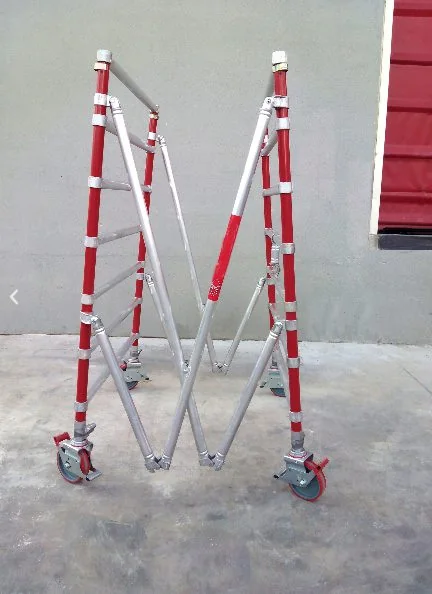
Start with configuration, not convenience
“Folding” describes a base format, not a universal approval for every task or component set. Standard and folding products can use different frames, braces, platform relationships, and setup considerations. Review the published family rather than building a mixed list from appearance.
Describe the site and movement needs
Explain whether equipment passes through doors, is stored assembled, moves between work zones, or remains in one location. Record floor conditions, available footprint, turning clearance, platform elevation, and indoor or outdoor exposure.
Information checklist
- Entry and storage dimensions
- Required movement between work zones
- Floor and leveling conditions
- Known product family and labels
Confirm the complete quoted system
A written quote should identify the proposed products and commercial assumptions. Assembly and use still require the complete applicable instructions, inspection, employer procedures, and site-specific review.